By Karson Mui, DC, DACBSP
Mui Chiropractic & Sports Medicine | Newton, Massachusetts
Does Your Knee Hurt Going Down Stairs?
You finish a run, stand up after sitting through a long meeting, or walk downstairs—and suddenly you feel an aching pain around the front of your knee.
Maybe you’ve noticed it during squats at the gym, while riding your bike, or after a long day on your feet. At first, the discomfort is easy to ignore. But over time, it becomes more frequent, starts affecting your workouts, and eventually interferes with everyday activities.
If this sounds familiar, you may be experiencing Patellofemoral Pain Syndrome (PFPS), commonly known as runner’s knee.
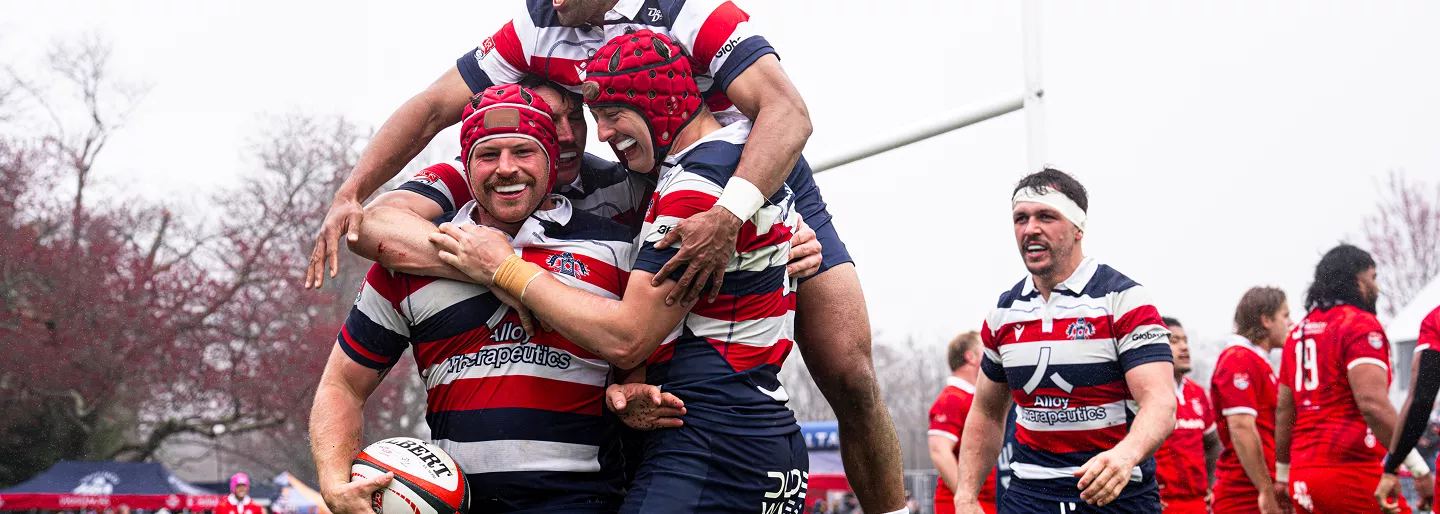
Despite its nickname, PFPS doesn’t only affect runners. It is one of the most common knee conditions seen in sports medicine and can affect athletes of all levels, from high school competitors and weekend warriors to professional athletes. At Mui Chiropractic & Sports Medicine in Newton, MA, we evaluate and treat PFPS by identifying the underlying cause of your pain—not simply masking your symptoms.
What Is Patellofemoral Pain Syndrome?
Patellofemoral Pain Syndrome is pain that originates between the patella (kneecap) and the femur (thigh bone). As you bend and straighten your knee, the kneecap glides within a groove at the end of the femur called the trochlear groove.
Under normal conditions, this movement is smooth and efficient.
When the forces acting on the kneecap exceed what the surrounding tissues can tolerate, irritation develops, resulting in pain around or behind the kneecap.
Unlike a torn ligament or meniscus, PFPS is typically an overuse condition. It often develops gradually over weeks or months rather than after a single traumatic event.
Research estimates that patellofemoral pain accounts for up to 25% of all knee injuries seen in sports medicine clinics, making it one of the most frequently encountered orthopedic complaints.
Why Does Patellofemoral Pain Develop?
One of the biggest misconceptions is that PFPS has one single cause.
In reality, it usually results from multiple contributing factors working together.
Training Errors
One of the most common reasons athletes develop PFPS is doing too much, too soon.
Examples include:
- Increasing running mileage too quickly
- Adding hill workouts
- Beginning speed training
- Starting a new exercise program
- Returning to sport after time off
The knee simply isn’t given enough time to adapt to increased loads.
Weak Hip Muscles
The hips play a tremendous role in controlling knee position.
Weakness of the gluteus medius and other hip stabilizers may allow the knee to move inward excessively during running, jumping, or squatting.
This increases stress across the patellofemoral joint.
Poor Movement Mechanics
Sometimes the issue isn’t strength—it’s movement quality.
Poor squat mechanics, excessive knee valgus, reduced ankle mobility, or poor landing technique can all contribute to abnormal loading of the kneecap.
Muscle Tightness
Tight muscles surrounding the knee may alter how forces are distributed.
Common contributors include:
- Quadriceps
- Hip flexors
- Hamstrings
- Iliotibial (IT) band
- Calf muscles
Improving tissue mobility often reduces unnecessary stress on the knee.
Foot and Ankle Dysfunction
Your knee doesn’t function in isolation.
Limited ankle mobility or excessive foot pronation may change lower-extremity biomechanics and increase stress at the kneecap.
Previous Injury
Athletes recovering from ankle sprains, hip injuries, or other lower-extremity problems frequently develop compensatory movement patterns that overload the knee.
Common Symptoms
Patellofemoral Pain Syndrome usually presents as:
- Pain around or behind the kneecap
- Pain when going downstairs
- Pain while running
- Pain during squats or lunges
- Pain after prolonged sitting (“movie theater sign”)
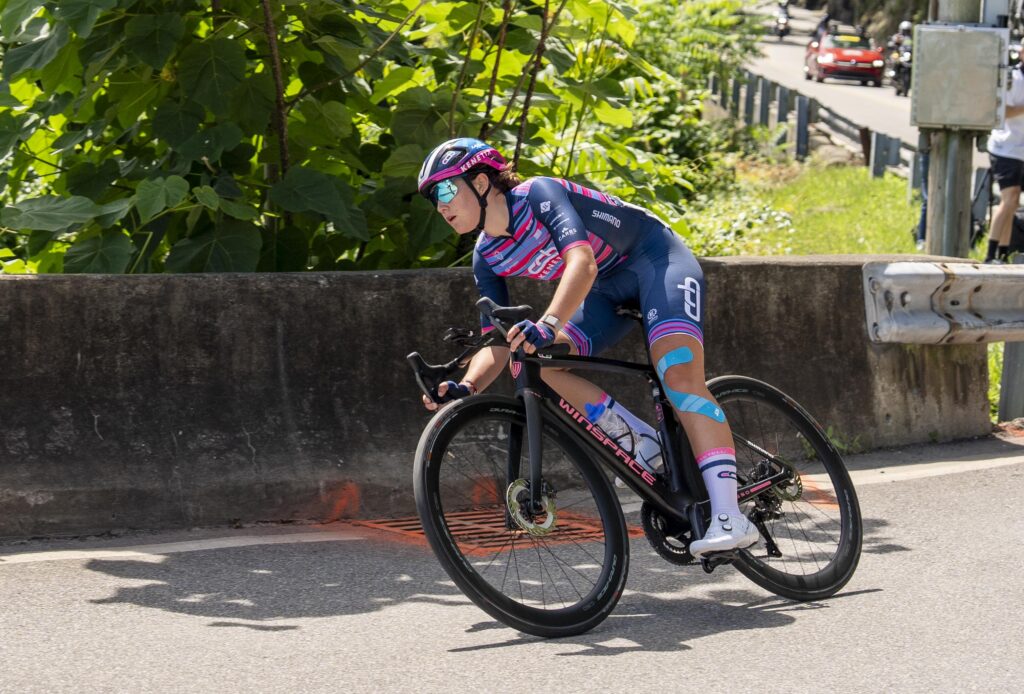
- Discomfort while cycling
- Pain with jumping
- Stiffness after exercise
- Clicking or grinding sensations
- Difficulty returning to sport
Many patients report that the pain is worse after activity rather than during it.
Who Gets PFPS?
Although runner’s knee is common among distance runners, it affects athletes across many sports.
At our clinic, we frequently see PFPS in:
- Runners
- Cyclists
- Soccer players
- Hockey players
- Basketball players
- Volleyball athletes
- Football players
- CrossFit athletes
- Tennis players
- Military personnel
- Active adults
The condition is also common among adolescents participating in multiple sports year-round.
How Is PFPS Diagnosed?
There is no single MRI or X-ray that diagnoses Patellofemoral Pain Syndrome.
Instead, diagnosis relies on a detailed history and comprehensive physical examination.
During your evaluation at Mui Chiropractic & Sports Medicine, we assess:
- Knee range of motion
- Hip strength
- Core stability
- Foot mechanics
- Running or movement patterns
- Joint mobility
- Muscle flexibility
- Balance and coordination
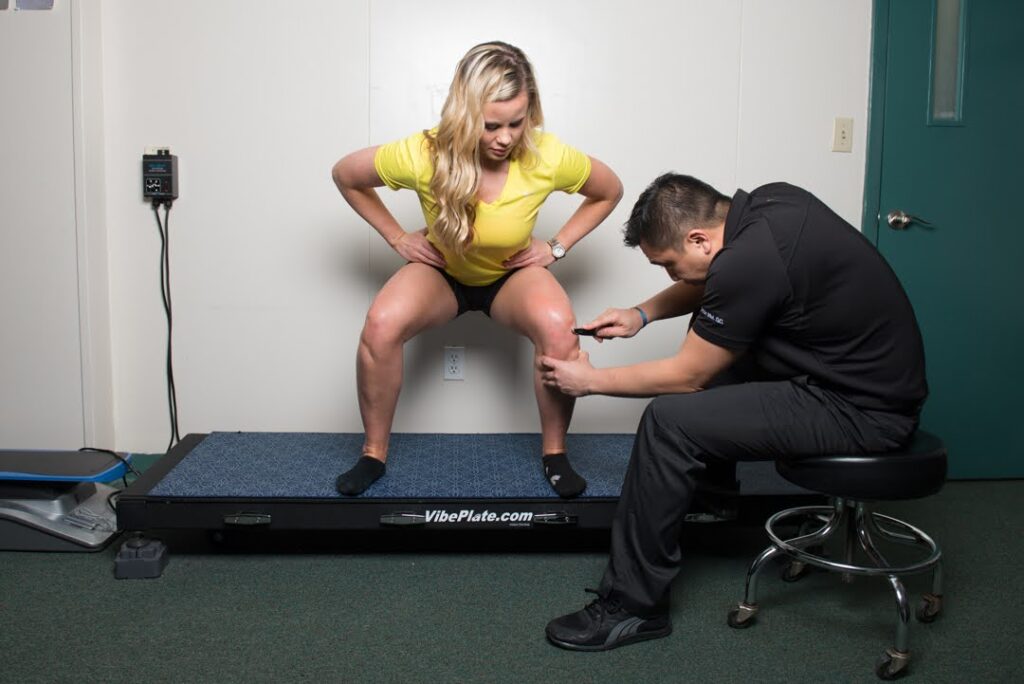
- Functional movements such as squats, lunges, and step-down testing
Imaging is generally unnecessary unless another injury is suspected.
Why Rest Alone Usually Isn’t Enough
Many people try resting for several weeks.
The pain improves.
Then they resume training.
Within days—or sometimes hours—the pain returns.
Why?
Because rest doesn’t address the underlying cause.
The tissues become less irritated, but the movement dysfunction remains.
Successful treatment requires correcting the mechanical factors contributing to the problem.
Evidence-Based Treatment for Patellofemoral Pain Syndrome
Current clinical guidelines consistently recommend exercise therapy as the cornerstone of treatment, with manual therapy used to complement rehabilitation rather than replace it.
Our treatment plans are individualized based on your examination findings and athletic goals.
Chiropractic Adjustments
Restricted motion within the lumbar spine, pelvis, hips, or lower extremities can influence movement quality.
Restoring normal joint mobility may improve overall lower-extremity mechanics.
Instrument Assisted Soft Tissue Mobilization (Graston)
IASTM helps improve tissue mobility while addressing restrictions within the quadriceps, iliotibial band, and surrounding soft tissues.
Myofascial Release
Hands-on soft tissue treatment reduces muscular tension while improving movement quality throughout the kinetic chain.
Dry Needling
For appropriate patients, dry needling can reduce muscular trigger points and improve function when combined with rehabilitation.
Therapeutic Ultrasound
Ultrasound may be incorporated as part of a broader treatment plan to address soft tissue irritation and facilitate rehabilitation.
High-Voltage Electrical Stimulation
Electrical stimulation can help reduce pain while improving muscle activation during early rehabilitation.
Shockwave Therapy (ESWT)
Extracorporeal Shockwave Therapy may be appropriate in select cases involving chronic tendon-related pain around the knee, particularly when symptoms involve the patellar tendon alongside PFPS.
Corrective Exercise
Exercise remains the most important long-term treatment.
Programs often focus on:
- Hip strengthening
- Glute activation
- Core stability
- Quadriceps strengthening
- Balance training
- Single-leg control
- Movement retraining
- Progressive return to running
Should You Keep Exercising?
The answer is usually yes—but intelligently.
Complete rest is rarely necessary.
Instead, activity should be modified to remain below an acceptable pain threshold while rehabilitation progresses.
This may involve:
- Reducing mileage
- Avoiding hills temporarily
- Cross-training
- Adjusting bike fit
- Reducing jumping volume
- Improving recovery
Maintaining fitness while allowing irritated tissues to calm down often produces the best long-term results.
Can Patellofemoral Pain Be Prevented?
Although not every case is preventable, athletes can reduce their risk by:
- Progressively increasing training volume
- Strengthening the hips and core
- Improving ankle mobility
- Wearing appropriate footwear
- Addressing pain early
- Including recovery days
- Performing regular mobility work
- Following a structured strength program
When Should You Seek Professional Care?
You should consider an evaluation if:
- Your knee pain lasts longer than one to two weeks.
- Pain returns every time you exercise.
- Stairs become painful.
- Your running or walking mechanics change.
- You stop participating in activities you enjoy.
- Home treatment isn’t working.
Early treatment often leads to faster recovery and reduces the likelihood of chronic symptoms.
Frequently Asked Questions
Is runner’s knee the same as arthritis?
No. Patellofemoral Pain Syndrome is usually related to overuse and movement dysfunction rather than degenerative joint disease.
Can I keep running?
Many runners can continue training with modifications while addressing the underlying causes through rehabilitation.
Will I need surgery?
Surgery is very rarely required for uncomplicated PFPS. Most patients improve with conservative treatment.
Do knee braces help?
Some patients experience temporary symptom relief, but braces should not replace strengthening and movement correction.
How long does recovery take?
Recovery varies depending on symptom duration, training load, and adherence to rehabilitation. Mild cases may improve within several weeks, while chronic cases often require several months of progressive treatment and exercise.
Our Approach at Mui Chiropractic & Sports Medicine
At Mui Chiropractic & Sports Medicine, we believe successful treatment goes beyond reducing pain. Our goal is to identify why your knee became painful in the first place.
By combining a thorough biomechanical evaluation, evidence-based manual therapy, progressive rehabilitation, and individualized return-to-sport planning, we help patients move confidently and return to the activities they enjoy.
Whether you’re preparing for the Boston Marathon, training for your first triathlon, playing high school soccer, or simply trying to get through the day without knee pain, our team is committed to helping you recover safely and perform at your best.
If you’re struggling with persistent pain around your kneecap, don’t wait until it sidelines your season. Early evaluation and targeted treatment can make a significant difference in both your recovery and long-term knee health.
References
- Willy RW, Hoglund LT, Barton CJ, et al. Patellofemoral Pain Clinical Practice Guideline. Journal of Orthopaedic & Sports Physical Therapy. 2019;49(9):CPG1-CPG95.
- Crossley KM, van Middelkoop M, Callaghan MJ, et al. Patellofemoral Pain Consensus Statement from the 5th International Patellofemoral Pain Research Retreat. British Journal of Sports Medicine. 2016;50(14):842-850.
- Collins NJ, Barton CJ, van Middelkoop M, et al. 2018 Consensus Statement on Exercise Therapy and Physical Interventions for Patellofemoral Pain. British Journal of Sports Medicine. 2018.
- Powers CM. The Influence of Altered Lower-Extremity Kinematics on Patellofemoral Joint Dysfunction. Sports Medicine. 2003.
- Lankhorst NE, Bierma-Zeinstra SMA, van Middelkoop M. Risk Factors for Patellofemoral Pain Syndrome. British Journal of Sports Medicine. 2012.