Scar Tissue Treatment in Newton, MA: Why Healing Is Not Always a Full Recovery
By Karson Mui, DC, DACBSP®
Sports Chiropractor | Mui Chiropractic & Sports Medicine | Newton, Massachusetts
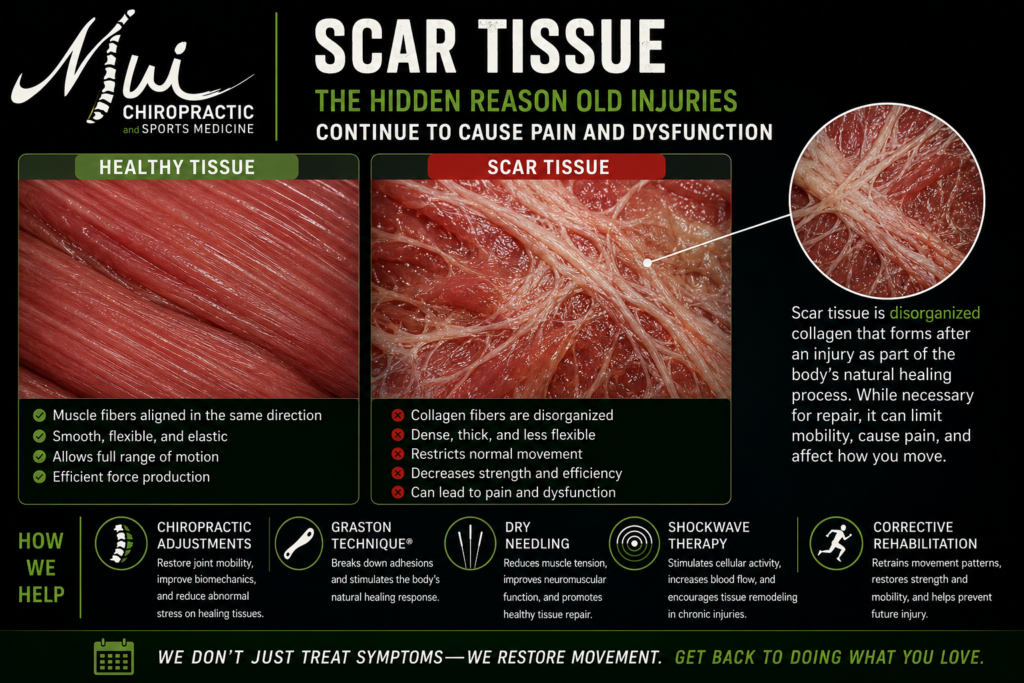
Scar tissue treatment can help address the stiffness, restricted mobility, weakness, and movement changes that sometimes remain after an injury has technically healed. When most people hear the words “scar tissue,” they picture the visible scar left behind after surgery or a cut. However, significant scar tissue can also develop beneath the skin within muscles, tendons, ligaments, and fascia.
This deeper tissue repair is essential for healing. Nevertheless, it can sometimes affect flexibility, strength, joint mobility, and athletic performance long after the original pain has disappeared.
As a sports chiropractor, I have spent much of my career investigating one central question:
Why does injured tissue sometimes stop functioning normally, even after it has healed?
Ironically, that journey did not begin in chiropractic school. It started years earlier in a biotechnology laboratory.
My Early Introduction to Scar Tissue
Before becoming a chiropractor, I earned my biology degree at Northeastern University and worked in biotechnology after graduation. During my co-op experiences and early research career, I was involved in research investigating the transplantation of myoblasts—muscle precursor cells—into patients who had experienced a myocardial infarction, commonly known as a heart attack.
The goal was to determine whether introducing new muscle cells could improve cardiac function because heart muscle has a limited ability to regenerate.
It was fascinating research, but there was one constant frustration familiar to nearly everyone working with muscle cells:
Fibroblasts.
Fibroblasts seemed to grow everywhere. They multiplied rapidly, contaminated our cultures, and interfered with the muscle cells we were attempting to study. At the time, I viewed them as the annoying counterpart to the contractile muscle cells that interested us.
I understood fibroblasts from a cellular biology perspective. What I did not realize was that they would become some of the most important cells I would encounter during my clinical career.
Understanding Healing and Scar Tissue Formation
Years later, while attending chiropractic school, I had the privilege of learning from Dr. David Seaman. His lectures on inflammation fundamentally changed how I viewed injury, healing, and scar tissue treatment.
Inflammation is not simply something that needs to be eliminated. It is an essential part of tissue repair.
Following an injury, inflammatory mediators help recruit specialized cells that remove damaged tissue. Fibroblasts then migrate into the injured area and begin producing collagen. These new collagen fibers form the framework used to repair damaged muscles, tendons, ligaments, and fascia.
Without fibroblasts, our bodies could not heal.
Tissue healing generally involves three overlapping phases:
- Inflammation
- Proliferation
- Remodeling
During the proliferative phase, fibroblasts deposit collagen to stabilize the injured area. Over the following weeks and months, that collagen continues to reorganize in response to movement and mechanical loading.
Research published in the American Journal of Sports Medicine describes how inflammation, tissue regeneration, scar formation, and rehabilitation all contribute to recovery following a muscle injury. You can review that research through the National Library of Medicine.
At the time, I understood the science. I had not yet connected it to what I would eventually see every day in clinical practice.
When an Athlete Has Healed but Has Not Fully Recovered
Everything began to make sense once I started treating athletes.
Week after week, I evaluated people who had technically recovered from their injuries. Their ankle sprain had healed. Their hamstring strain was no longer painful. Their shoulder injury had settled down.
Yet something still was not right.
The injured muscle did not activate normally. Joint mobility remained restricted. Strength had decreased, movement patterns had changed, and the body had quietly developed compensations around the injured area.
Many athletes were able to return to competition, but they no longer completely trusted that part of their body.
They often described the problem the same way:
“It doesn’t really hurt anymore—it just doesn’t feel like it used to.”
That sentence perfectly summarizes why someone may benefit from scar tissue treatment.
The tissue has healed, but its previous function has not necessarily returned.
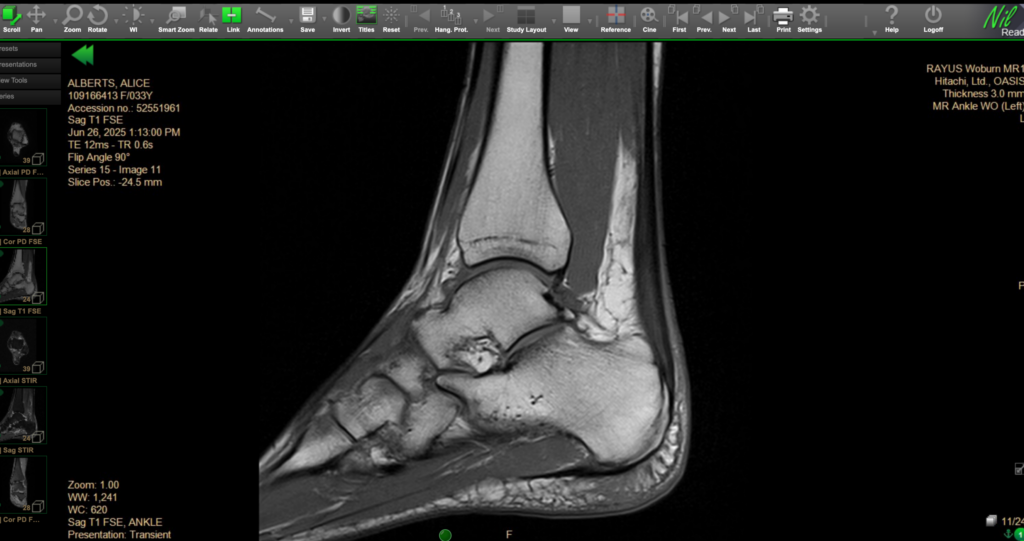
Professional IRONMAN athlete Alice Alberts experienced this challenge while recovering from a significant Achilles tendon injury. Her recovery involved hands-on treatment, progressive rehabilitation, careful training modifications, and movement-focused care as she worked toward competing at the IRONMAN World Championship.
Read more about her recovery in our case study on Achilles tendinopathy treatment in Newton, MA.
Scar Tissue Is Not the Enemy
One of the biggest misconceptions surrounding scar tissue treatment is that all scar tissue is harmful or needs to be “broken up.”
Scar tissue is one of the reasons the body survives an injury in the first place.
From an evolutionary perspective, the body’s immediate priority is not perfect shoulder rotation, flawless sprinting mechanics, or maximum athletic performance. Its primary objective is survival and structural repair.
When a muscle, tendon, or ligament is damaged, fibroblasts produce collagen to stabilize the area and repair the defect. This is an essential biological process.
The difficulty is that the body prioritizes repair—not necessarily performance.
Athletes ask their bodies to sprint, jump, throw, skate, cycle, lift, and generate tremendous amounts of force with incredible precision. Tissue can therefore be structurally repaired while still demonstrating stiffness, restricted mobility, reduced strength, or altered coordination.
The purpose of scar tissue treatment is not to eliminate the body’s natural repair process. The goal is to help the repaired tissue move and function as effectively as possible.
Why Movement Matters During Scar Tissue Treatment
Our understanding of rehabilitation has changed significantly over the past several decades.
In the past, prolonged immobilization following surgery or injury was common. Today, controlled movement is frequently introduced much earlier when it is medically appropriate.
For example, patients undergoing procedures such as hip replacement are often encouraged to stand or begin walking soon after surgery. This does not mean the healing tissues are suddenly strong. Instead, appropriate movement helps maintain circulation, joint mobility, muscle function, and independence.
Mechanical loading also plays an important role in how connective tissues adapt. Collagen fibers respond to the stresses placed upon them. Gradually introducing appropriate movement can help healing tissue adapt to the demands it will eventually need to tolerate.
Movement does more than maintain flexibility. It helps teach healing tissue how it will need to function.
However, loading must match the stage of recovery. Too little movement may contribute to stiffness and weakness, while excessive loading may irritate the injured tissue or delay recovery. Rehabilitation should therefore be individualized according to the injury, the person’s symptoms, and their functional goals.
Scar Tissue Treatment Addresses More Than Tight Muscles
Scar tissue does not simply create “tight muscles.” It can affect the entire movement system.
A restricted muscle, tendon, ligament, or fascial structure may reduce the mobility of a nearby joint. That stiffness can then alter muscle activation and force surrounding areas to compensate.
Over time, these compensations may change movement patterns throughout the body.
For example:
- An old ankle sprain may affect ankle mobility and contribute to altered knee mechanics.
- A previous shoulder injury may change how an athlete throws or lifts.
- A calf strain may affect running mechanics after the pain has resolved.
- Abdominal surgery may leave sensitivity or restriction through the trunk.
- An Achilles tendon injury may affect calf strength and running tolerance.
The body is remarkably good at adapting. Unfortunately, those adaptations are not always beneficial for long-term movement or athletic performance.
That is why a comprehensive evaluation should consider more than the location where the patient feels tightness or pain.
Our Approach to Scar Tissue Treatment in Newton, MA
At Mui Chiropractic & Sports Medicine, we do not think of scar tissue as something that must simply be broken apart.
That explanation oversimplifies a complex biological process.
Instead, our approach to scar tissue treatment focuses on improving mobility, restoring normal joint mechanics, progressively loading the repaired tissue, and retraining the body to move efficiently.
Treatment begins with an evaluation of the entire movement system. Depending on the injury and stage of healing, care may include:
Chiropractic Adjustments
Chiropractic adjustments may be used to restore motion in restricted joints and improve the way different areas of the body move together.
A soft-tissue restriction can affect joint mobility, while a restricted joint can change how the surrounding muscles function. Addressing both parts of the movement system may be important when treating a persistent sports injury.
Graston Technique and IASTM
Instrument-assisted soft-tissue mobilization, or IASTM, uses specialized instruments to evaluate and treat areas of soft-tissue restriction.
Graston Technique® may be incorporated as part of a broader treatment plan to improve mobility and help patients tolerate movement and rehabilitation exercises.
A systematic review available through the National Library of Medicine examined the use of IASTM for musculoskeletal conditions and range of motion. Research continues to evolve, so these techniques should not be presented as a way to physically erase scar tissue. They are better understood as one possible component of a comprehensive rehabilitation program.
Myofascial Release
Myofascial release uses focused manual pressure and movement to address areas of muscular and fascial restriction.
The objective is to improve mobility, reduce sensitivity, and make it easier for the patient to move through a greater range of motion.
Dry Needling
Dry needling may be used when muscle guarding, trigger points, or altered neuromuscular function contribute to the patient’s symptoms.
It does not remove scar tissue. Instead, it may help reduce muscular tension, improve tolerance to movement, and support the rehabilitation process.
Shockwave Therapy
Extracorporeal shockwave therapy, or ESWT, may be considered for certain chronic tendon and soft-tissue conditions that have not responded adequately to more traditional treatment.
Shockwave therapy delivers mechanical energy to the targeted tissue. It is commonly used as part of a broader treatment plan that also includes progressive exercise and activity modification.
Progressive Rehabilitation
Hands-on treatment is only one part of scar tissue treatment.
Progressive rehabilitation helps restore the qualities the repaired tissue needs for daily life or athletic performance, including:
- Strength
- Mobility
- Coordination
- Tendon capacity
- Muscular endurance
- Balance
- Confidence in the injured area
Rehabilitation must progress beyond simply reducing pain. The final goal is to prepare the tissue for the specific demands the patient intends to place upon it.
Sports Chiropractic and Scar Tissue Treatment
Athletes often require more than a return to basic daily activities.
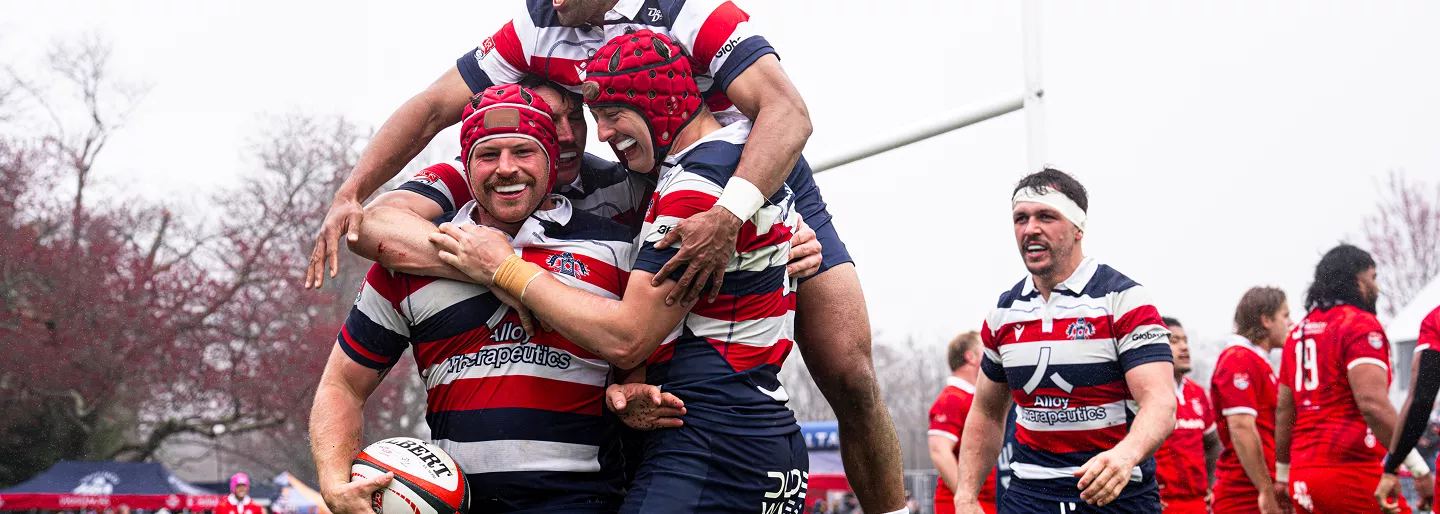
A runner must tolerate repetitive impact over thousands of steps. A cyclist must repeatedly produce force through the hips, knees, and ankles. A hockey player must accelerate, stop, rotate, and absorb contact. A rugby player must sprint, tackle, lift, and rapidly change direction.
Effective scar tissue treatment must therefore account for the athlete’s sport, training schedule, competition calendar, previous injuries, and performance goals.
This movement-focused approach is also central to our work with competitive cyclists. Learn more about sports chiropractic care for elite cyclists.
You do not need to be a professional athlete to benefit from this approach. The same principles can be applied to recreational athletes, high school competitors, active adults, and patients trying to return comfortably to everyday activities.
Healing Is More Than Closing the Injury
One lesson has stayed with me from biotechnology to chiropractic practice:
The human body is incredibly good at healing, but healing and optimal function are not always the same thing.
Modern sports medicine is not about fighting the healing process. It is about guiding recovery while restoring the strength, mobility, and coordination the patient needs.
No treatment can completely erase scar tissue. However, combining appropriate manual therapy, progressive loading, rehabilitation, and movement retraining may improve mobility, reduce pain, and restore function following an injury or surgery.
If an old injury no longer hurts but still feels stiff, weak, or unreliable, the tissue may have healed without fully regaining its previous function.
Helping that tissue function well again is where individualized scar tissue treatment can make a meaningful difference.
Schedule Scar Tissue Treatment in Newton, MA
If an old injury, surgery, muscle strain, tendon problem, or joint restriction continues to affect how you move, Mui Chiropractic & Sports Medicine can evaluate the injured area and the surrounding movement system.
Our goal is to identify the factors limiting your recovery and develop an individualized plan to help you return to the activities you enjoy.
Contact Mui Chiropractic & Sports Medicine in Newton, Massachusetts, to schedule an evaluation.