Graston Technique: How It Works to Relieve Pain and Restore Movement
By Karson Mui, D.C, DACBSP
If you’ve ever been told you have scar tissue, “tight fascia,” or a chronic muscle injury that just won’t improve, you may have heard of the Graston Technique.
At Mui Chiropractic & Sports Medicine in Newton, Massachusetts, the Graston Technique is one of the many evidence-based tools we use to help patients recover from injuries, improve mobility, and return to the activities they love. Whether you’re a professional athlete, a weekend runner, or someone dealing with everyday aches and pains, Graston can be an effective part of a comprehensive treatment plan.
The important thing to understand is that Graston Technique is not a miracle cure—it’s a specialized form of instrument-assisted soft tissue mobilization (IASTM) designed to improve tissue quality and movement when combined with appropriate rehabilitation.
What Is the Graston Technique?
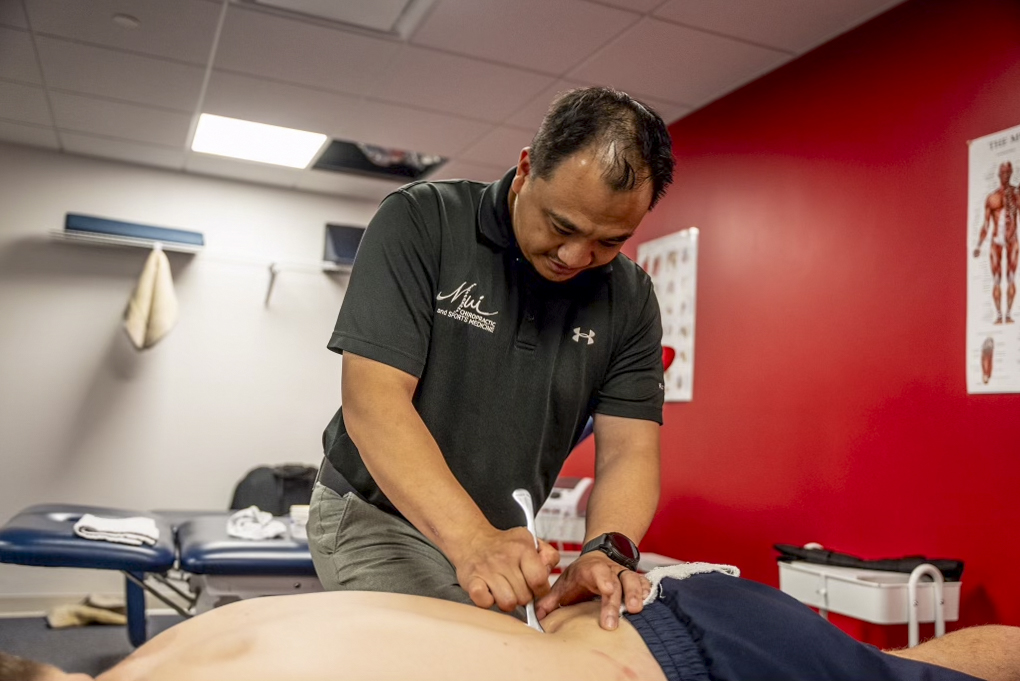
The Graston Technique is a form of Instrument Assisted Soft Tissue Mobilization (IASTM) that uses specially designed stainless steel instruments to evaluate and treat soft tissue restrictions.
Rather than using only the hands, a clinician glides these instruments over muscles, tendons, ligaments, and fascia to identify areas of abnormal tissue texture and movement.
The instruments allow providers to:
- Detect tissue restrictions
- Treat scar tissue and adhesions
- Improve soft tissue mobility
- Reduce pain
- Restore normal movement
Because the instruments concentrate pressure over a smaller surface area than the hand alone, clinicians can often reach deeper tissue layers while reducing strain on their own hands.
How Does the Graston Technique Work?
Following an injury, surgery, or repetitive overuse, the body heals by laying down collagen fibers.
Ideally, these fibers align in the direction of stress.
Sometimes they don’t.
Instead, collagen becomes disorganized, forming adhesions or areas of reduced tissue mobility.
These restrictions may contribute to:
- Pain
- Stiffness
- Reduced flexibility
- Loss of strength
- Decreased athletic performance
The Graston Technique works by applying controlled mechanical pressure across these tissues.
Current research suggests instrument-assisted soft tissue mobilization may:
- Stimulate local blood flow
- Improve tissue glide
- Reduce pain sensitivity
- Encourage remodeling of healing tissue
- Improve range of motion
- Enhance the body’s healing response
While older explanations often suggested Graston “breaks up scar tissue,” modern research indicates the process is more complex. The treatment appears to stimulate cellular responses, influence connective tissue remodeling, and improve tissue function rather than physically breaking scar tissue apart.
The Science Behind Graston Technique
Instrument-assisted soft tissue mobilization has become one of the most studied manual therapy interventions in sports medicine.
Research has demonstrated potential benefits including:
- Improved range of motion
- Reduced pain
- Increased pressure pain threshold
- Better functional outcomes
- Improved flexibility
- Enhanced recovery following repetitive overuse injuries
Like many manual therapy techniques, the best outcomes occur when Graston is combined with:
- Therapeutic exercise
- Progressive strengthening
- Mobility training
- Activity modification
- Patient education
Passive treatment alone rarely provides long-term improvement.
Movement remains the key to lasting recovery.
What Conditions Can the Graston Technique Treat?
At Mui Chiropractic & Sports Medicine, we commonly use the Graston Technique for patients experiencing:
Achilles Tendinopathy
One of the most common conditions we treat.
Instrument-assisted soft tissue mobilization may help improve tendon mobility while reducing pain when combined with progressive loading exercises.
Plantar Fasciitis
Chronic heel pain often responds well to a combination of:
- Graston Technique
- Foot mobility exercises
- Calf stretching
- Strengthening
- Shockwave therapy when indicated
Tennis Elbow (Lateral Epicondylitis)
Patients with chronic elbow pain often develop thickened tendon tissue.
Graston can help improve tissue mobility while strengthening restores tendon capacity.
Golfer’s Elbow
Similar principles apply to the inside of the elbow, particularly in golfers, baseball players, and weightlifters.
Rotator Cuff Injuries
Soft tissue restrictions around the shoulder may limit overhead movement.
Graston may help improve mobility before progressing to strengthening.
IT Band Syndrome
Rather than “stretching” the IT band itself, treatment focuses on improving surrounding tissue mobility and addressing contributing movement patterns.
Hamstring Strains
Following muscle injury, scar tissue can reduce flexibility and increase reinjury risk.
Graston is frequently combined with progressive strengthening to restore function.
Neck Pain
Muscular restrictions in the neck and upper back can contribute to stiffness and headaches.
Treatment often includes:
- Graston
- Chiropractic adjustments
- Mobility exercises
- Postural correction
Low Back Pain
Many patients develop chronic soft tissue tightness around the lumbar spine.
Instrument-assisted treatment may help restore movement before strengthening the core and hips.
Scar Tissue After Surgery
Patients recovering from orthopedic procedures may develop thick scar tissue around surgical sites.
Once appropriate healing has occurred, Graston may improve tissue mobility and comfort.
What Does a Graston Treatment Feel Like?
Most patients describe the treatment as:
- Firm pressure
- Scraping sensation
- Mild discomfort over injured tissue
- Relief afterward
Areas with more restriction often feel rougher beneath the instrument.
These areas frequently become smoother over successive treatments.
Some patients experience:
- Mild redness
- Temporary bruising
- Tenderness for 24–48 hours
These effects are generally short-lived.
Is Bruising Necessary?
One of the biggest myths surrounding the Graston Technique is that bruising means the treatment worked.
That isn’t true.
Years ago, aggressive treatment resulting in bruising was common.
Modern evidence-based care emphasizes using only the amount of pressure necessary to achieve the desired clinical effect.
Our goal is to improve movement—not create unnecessary tissue irritation.
Many successful Graston treatments produce little or no bruising.
How Many Treatments Will I Need?
Every injury is different.
Treatment depends on:
- Duration of symptoms
- Tissue quality
- Activity level
- Overall health
- Rehabilitation compliance
Acute injuries may improve within just a few visits.
Chronic injuries often require several weeks of combined treatment and exercise.
Why We Combine Graston With Other Treatments
At Mui Chiropractic & Sports Medicine, we rarely rely on one treatment alone.
Instead, Graston is often combined with:
- Chiropractic adjustments
- Dry needling
- Myofascial release
- Therapeutic ultrasound
- Electrical stimulation
- Shockwave therapy (ESWT)
- Corrective exercise
- Progressive rehabilitation
- Strength training
The goal isn’t simply to reduce pain.
The goal is to restore normal movement so your body can heal.
Graston Technique for Athletes
Working with professional athletes has shown us something important:
Elite athletes don’t recover because of one treatment.
They recover because every piece works together.
We’ve used the Graston Technique as part of comprehensive treatment plans for athletes competing in:
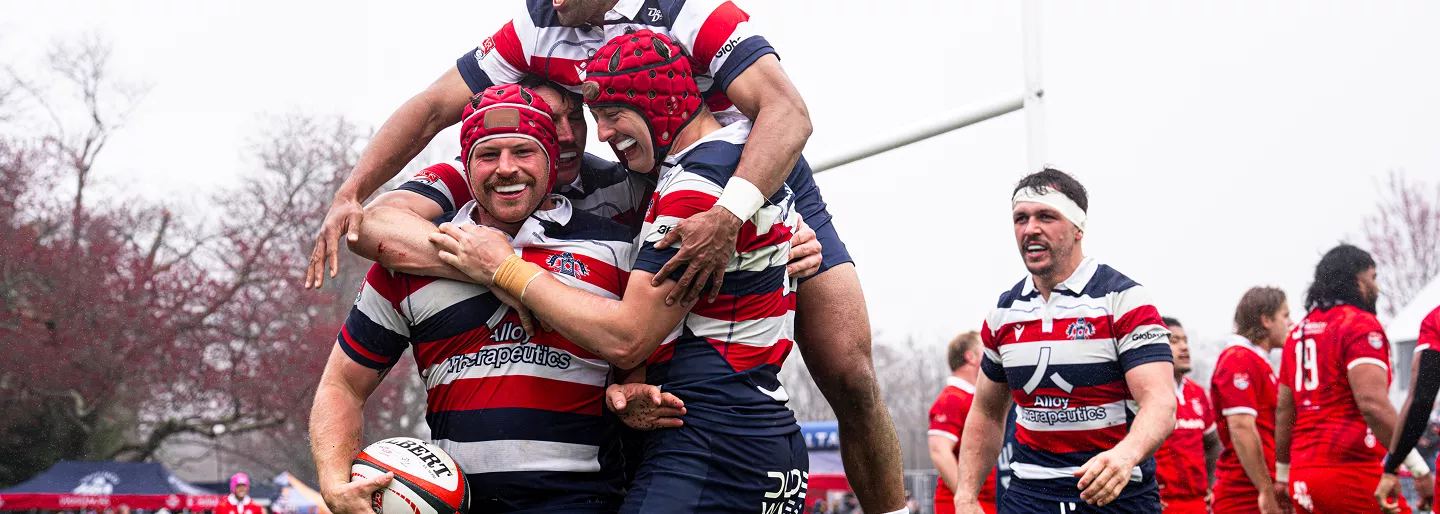
- Professional rugby
- Professional hockey
- Professional triathlon
- Cycling
- Running
- Strength sports
Whether helping an athlete prepare for competition or assisting someone recovering from everyday injuries, the principles remain the same:
Restore movement.
Reduce pain.
Improve function.
Return safely to activity.
Is the Graston Technique Right for You?
Graston Technique can be an excellent option if you have:
- Persistent muscle tightness
- Tendon pain
- Scar tissue
- Reduced flexibility
- Sports injuries
- Chronic overuse conditions
It is not appropriate for everyone. Certain medical conditions, acute injuries, skin disorders, blood-clotting disorders, or fractures may make instrument-assisted treatment inappropriate. A thorough examination should always determine whether Graston is suitable for your specific condition.
Why Patients Choose Mui Chiropractic & Sports Medicine
At Mui Chiropractic & Sports Medicine in Newton, MA, we use the Graston Technique as part of a comprehensive, evidence-based approach to musculoskeletal care. Every treatment begins with a detailed assessment to identify the true source of pain and movement dysfunction.
Rather than relying on a single technique, we combine hands-on therapies with individualized rehabilitation to help patients recover more efficiently and reduce the risk of future injury. Our experience spans everyone from recreational athletes and active families to professional rugby, hockey, cycling, and endurance athletes, but our treatment philosophy remains the same for every patient: identify the cause, restore movement, and build long-term resilience.
Frequently Asked Questions
Does the Graston Technique hurt?
Most patients describe it as firm pressure or mild discomfort, especially over injured tissues. The intensity can be adjusted based on your comfort and clinical needs.
Is Graston the same as massage?
No. While both involve soft tissues, Graston uses specialized stainless steel instruments to assess and treat restrictions that may not be as easily detected by hand alone.
Will I bruise after treatment?
Not necessarily. Mild redness or temporary soreness is common, but significant bruising is not required for treatment to be effective.
How long does a Graston session take?
The Graston portion of treatment typically lasts 5–15 minutes and is often combined with other therapies such as rehabilitation exercises, chiropractic care, or dry needling.
Can Graston help chronic injuries?
Yes. Many chronic tendon and soft tissue conditions may benefit when Graston is incorporated into a comprehensive treatment plan that includes progressive exercise and activity modification.
References
- Cheatham SW, Lee M, Cain M, Baker R. The efficacy of instrument-assisted soft tissue mobilization: A systematic review. Journal of the Canadian Chiropractic Association. 2016.
- Lambert MI, Marcus P, Burgess T, Noakes TD. Electromyographic and mechanomyographic responses to instrument-assisted soft tissue mobilization. Clinical Biomechanics.
- Loghmani MT, Warden SJ. Instrument-assisted cross-fiber massage accelerates ligament healing. Journal of Orthopaedic & Sports Physical Therapy.
- American Physical Therapy Association (APTA). Clinical resources on manual therapy and rehabilitation.
- American College of Sports Medicine (ACSM). Position statements on exercise prescription and musculoskeletal rehabilitation.